

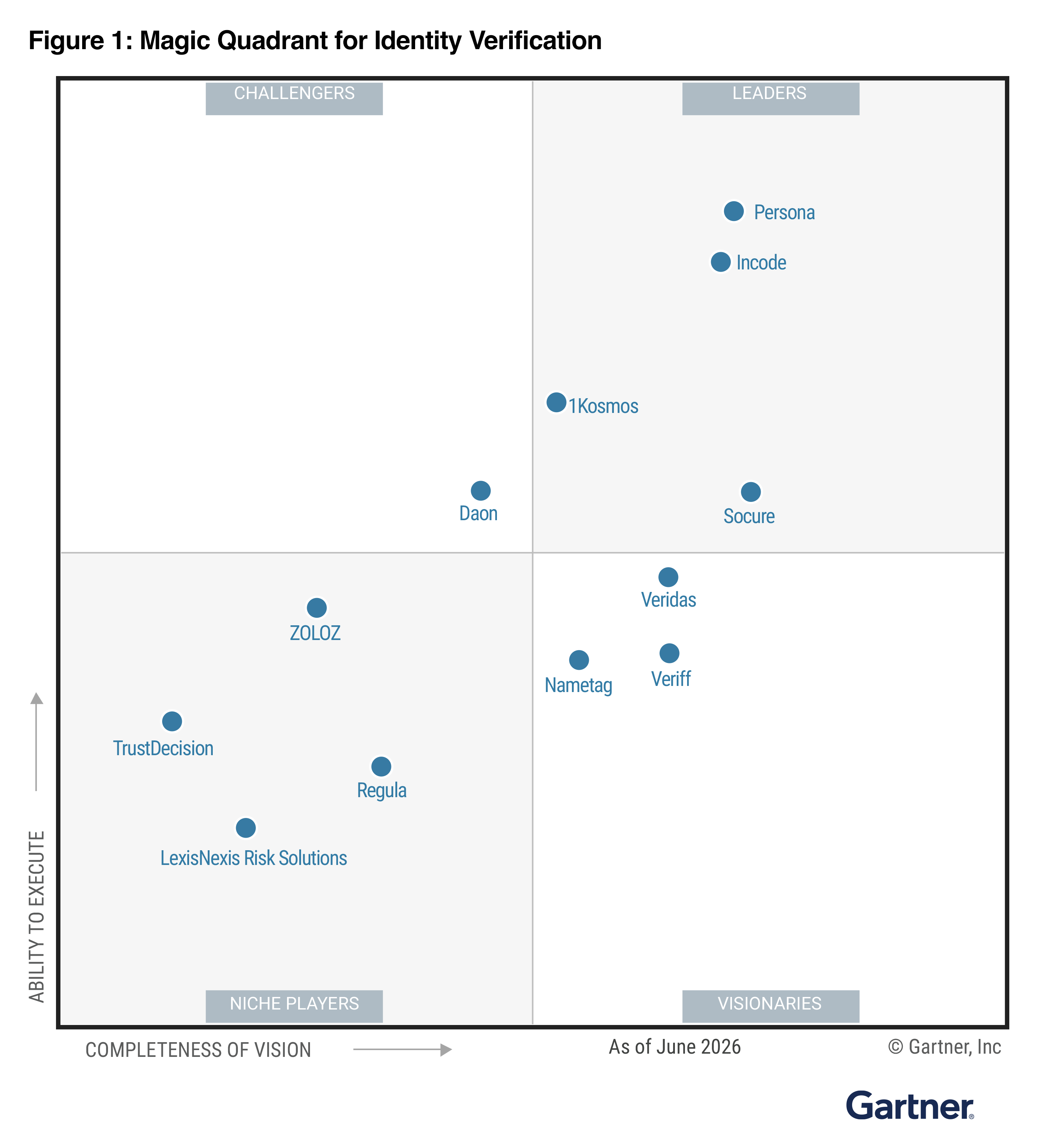



Verificación de identidad ha sido una inversión fundamental para las empresas durante más de una década. Pero los marcos construidos para soportarlo ya no se mantienen. Los datos personales reales ahora están ampliamente disponibles, la IA generativa ha colapsado el costo de la falsificación de documentos y los ataques de inyección eluden por completo la cámara del dispositivo.
La escala del cambio ya es medible. Durante la discusión, los panelistas referenciaron más de 18,000 brechas de datos en la última década, incluidas 3,300 solo en 2025. Los atacantes ahora emparejan la PII robada con Documentos generados por IA que costaban tan poco como $15 para producir. Aproximadamente el 30% de los intentos de verificación fraudulentos involucran IA generativa, y Las pérdidas relacionadas con deepfake se han triplicado en solo doce meses. Se proyecta que las pérdidas por fraude habilitadas por IA se acerquen a los 40 mil millones de dólares en el próximo año.
Estas tendencias apuntan a un cambio estructural en el fraude de identidad. Los atacantes están usando datos reales, sus propias caras y métodos de entrega diseñados para derrotar a la cámara y las comprobaciones de vida del que aún dependen muchos sistemas actuales.
Un tema central de nuestro seminario web Identidades reales, persona equivocada: por qué la verificación de identidad está fallando en 2026 fue el brecha creciente entre la verificación de un documento y la verificación de una persona. A medida que las credenciales auténticas se convierten en insumos básicos y la IA impulsa el costo de convencer a la falsificación hacia cero, la garantía de identidad ya no puede recaerse únicamente en el documento.
Entonces, ¿cómo deberían los líderes de fraude, identidad y riesgo reevaluar su arquitectura de verificación, capacidades de proveedores y estrategia de identidad a largo plazo? La conversación exploró exactamente eso.