



How Chime cut peer-to-peer dispute losses 24% with Incode
Chime, a financial technology company serving mobile-first customers in North America, uses Incode to verify its riskiest new applicants at sign-up and to confirm members with Face Login before peer-to-peer payments. When Chime's first-line data check cannot resolve a case, it steps up to a layered identity verification that checks the government ID, matches a live selfie, and cross-checks age. Early results show peer-to-peer dispute losses down 24%, roughly $634K a year.
saved a year as Face Login cut peer-to-peer dispute losses
reduction in peer-to-peer dispute losses
moments of highest risk covered: sign-up and payments
layered step-up check for the hard cases
Disrupting the banking status quo
Chime is a financial technology company on a mission to unite everyday people to Unlock Financial Progress™, built on the belief that core banking services should be helpful, easy, and free.
Built to fix a banking system that was not working for everyday people, Chime works with national banks to offer products that better meet their needs, with members' account balances held at regulated, FDIC-insured banks. Chime profits with its members, not from them: no overdraft fees, no monthly service fees, and no minimum balance requirements. Today it offers a member-first banking experience that helps people spend, save, and build credit, all without unnecessary fees.
Chime was built to expand access to banking, so fraud controls cannot come at the cost of blocking genuine members. Layered identity verification gives the hard cases a deeper check, stopping the fraud a data screen can miss while real members still get through.
Two problems, one step-up
Chime opens accounts for mobile-first customers, many of them new to banking. A first-line data check clears most new members in seconds, and the hard cases are the ones that check cannot resolve.
In the hard cases, the problems collide:
-
01
Real data, fake people
A fast-growing consumer bank is a standing target for synthetic identities and account takeovers, and fraudsters buy real personal data, so a data-only screen can wave them through.
-
02
Organized rings go further
Fraud rings reuse one face and one device across many invented identities.
-
03
Tightening blocks real members
Tightening the screen enough to stop that fraud also blocks legitimate people who trip it for reasons that have nothing to do with fraud.
For a company built on financial access, every genuine member wrongly blocked is a person shut out of banking.
How Chime steps up its risky cases
The hard cases get a layered identity check that clears real members while stopping the fraud a data screen misses.
Triggered when risk is highest
Chime's first-line screen runs on every new member. When a case looks higher-risk, it steps up to Incode for a deeper identity check, so the added scrutiny lands where it matters and low-risk members are not slowed down.
The ID, checked for tampering
Identity Verification
Incode checks the government ID for authenticity and detects signs of tampering or forgery that cannot be identified from identity data alone.
Biometric match and liveness
Identity Verification
A live selfie is matched to the ID photo and checked for liveness, proving a real, present person rather than a photo or a presented mask.
Age estimation cross-checks the ID
On-Device Age Estimation
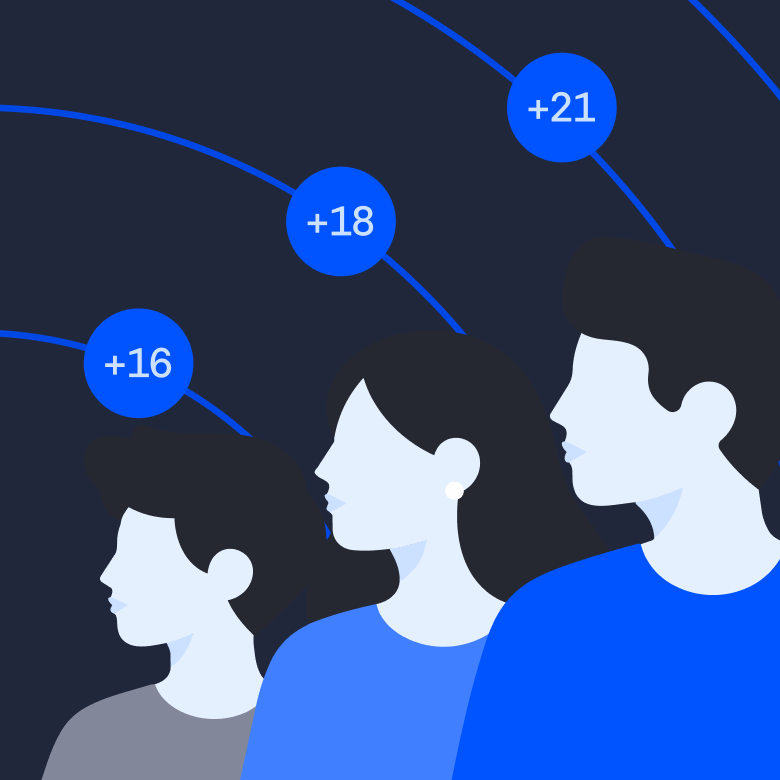
Incode estimates the member's age from the same selfie and compares it against the date of birth on the ID. A large gap fails the identity check, catching documents that do not belong to the person presenting them.
Face Login for peer-to-peer payments
Authentication
Beyond onboarding, Chime uses Face Login to confirm a member before a peer-to-peer payment, and early results show dispute losses falling.
Fraud is stopped before an account opens and before money moves, and the members Chime was built for never feel the difference.
How it works
Step-up verification at bank scale
Three checks, one flow
Document, biometric, and age checks run as one flow, so scrutiny rises only for the cases that need it.
From sign-up to payments
Incode confirms identity at account opening and again before members move money.
Certified, benchmarked accuracy
Incode's passive liveness detection is iBeta certified (Levels 1–3), and its face recognition accuracy is evaluated in the NIST FRTE 1:N benchmark.
Privacy is the architecture
Incode made privacy a founding conviction long before regulation or the market asked for it. Its AI-first identity verification reduces fraud while remaining private and compliant.
Frequently asked questions
Questions specific to the Chime story
Still have questions? Talk to an expertHow does Chime verify its highest-risk new applicants?
Every new member first passes Chime's data screen. When that screen flags a case as higher-risk, Chime routes it to Incode, where the government ID is inspected for tampering, a live selfie is matched to the ID photo, and liveness detection confirms a real, present person.
Why is a data-only screen not enough for a fintech?
Fraudsters can buy real personal data, so a check built on data alone can pass synthetic identities assembled from it. Verifying the physical document and matching a live face catches what the data cannot show.
How does Face Login affect peer-to-peer dispute losses?
Chime asks a member to confirm with Face Login before a peer-to-peer payment goes through. Early results show dispute losses down 24%, which translates to roughly $634K saved a year.
How does Chime stop fraud without blocking real members?
Instead of tightening the screen for everyone, Chime reserves the deeper check for the cases its first screen cannot resolve. Real members in those cases can clear the layered check, so stronger fraud controls do not shut legitimate people out of banking.
What does age estimation add to the identity check?
Incode estimates an applicant's age from the selfie and compares it with the date of birth on the ID. A wide mismatch fails the check, flagging documents presented by someone they do not belong to.
How does the step-up handle organized fraud rings?
Organized rings reuse a single face and a single device across many invented identities. The layered step-up matches a live selfie to a verified document, so this fraud can be stopped before an account ever opens.
Is the accuracy behind the checks independently evaluated?
Yes. Incode's passive liveness detection holds iBeta certification across Levels 1 to 3, and NIST's FRTE 1:N benchmark evaluates its face recognition accuracy.
What's next
See how Incode powers step-up verification
Catch the fraud a data screen misses, without slowing the members who belong.