



Network-based fraud detection
Spotting fraud by looking across many organizations instead of inside just one.
One bank may see a single application that looks fine. A network can see that the same pattern is turning up at several institutions.
A detection approach that uses signals from multiple organizations, rather than only an institution's own data, to identify fraudsters, devices, and patterns that repeat across the network. A signal is a piece of evidence, such as a match to an identity that was a problem elsewhere.
A network-based approach works in a few steps:
- Each participant contributes information about fraud it has confirmed, in a protected form.
- When a new case arrives, the participant checks it against what the network knows.
- The check returns a signal if the identity or pattern has appeared elsewhere.
- The participant combines the signal with its own data and rules to decide what to do.
Networks can look for several kinds of pattern:
- Repeat actors, such as the same person or device returning after being caught elsewhere.
- Shared attributes, such as details that link applications at different institutions.
- Coordinated activity, such as rings that spread an attack across many targets.
The central design question is how the participants collaborate:
- Consortium models send records to a central place that everyone queries.
- Privacy-preserving networks keep raw data in place and return only a limited, de-identified signal.
Network-based fraud detection sits next to terms that are easy to mix up:
- Identity graph links accounts within one organization's own data.
- Fraud ring is a coordinated group, which network views can reveal.
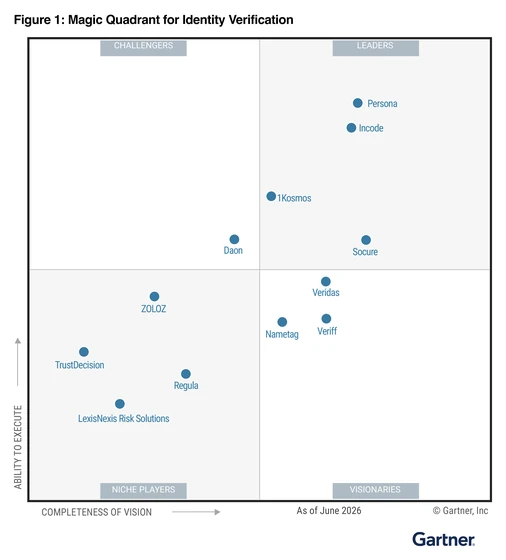
- TrustGraph is Incode's privacy-preserving network for this kind of detection.
- Term
- Network-based fraud detection
- Abbreviation
- None
- Category
- TrustGraph
- Slug
network-based-fraud-detection