




Understanding KYC Documents for Effective Verification
To identify customers, businesses use Know Your Customer (KYC) verification. In both the financial services industry and other specific industries, this is a crucial step in protecting customers. By verifying a customer’s identity through KYC documents, companies ensure they are dealing with legitimate clients and comply with regulatory requirements. When implemented, KYC practices help build trust with customers and protect businesses from legal and financial risks.
What are KYC Documents?
KYC documents are the pieces of identification used by businesses to confirm their customer’s identity. This is a mandatory step when customers are onboarding to your product or service, as it helps prevent discrepancies in identity and fraud.
Types of KYC Documents
There are different types of KYC documents for different regulatory requirements. Here are common types:
Primary Identification Documents
Primary identification documents are the most common forms of identification that can be found. They include:
- Passports: A globally recognized form of identification that confirms a person’s identity and nationality.
- Driver’s Licenses: Issued by governmental authorities, these documents provide both identity and address verification.
- Government-Issued IDs: National or regional identity cards that serve as proof of identity in many countries.
Proof of Address
Proof of address documents help confirm a customer’s residential address. Chances are, you’ve been asked to show proof of address before. Thankfully there are a few different forms, in case you have difficulty providing one, there is always a backup option! Common examples include:
- Utility Bills: Recent bills from services like electricity, water, or gas show the customer’s name and address.
- Bank Statements: Statements from financial institutions that list the customer’s address along with account details.
- Rental Agreements: Lease or rental contracts that provide evidence of the customer’s current residence.
Additional Documents
There are also times when you need to provide more specific identification documents. These include:
- Social Security Numbers (SSNs): Used primarily in the U.S. to verify identity and track financial activities.
- Tax ID Numbers: Similar to SSNs but used for tax purposes, providing additional identity verification.
- Financial Statements: Documents such as pay stubs or tax returns that help verify financial status and source of funds.
Why are KYC Documents Important?
Providing KYC documents allows businesses to detect suspicious activities by properly identifying customers who are less likely to engage in illegal activities, and suspicious transactions can be flagged more easily. While also preventing fraud by ensuring that customers are who they claim to be reduces the risk of fraudulent activities and identity theft.
Without the KYC documentation, businesses cannot onboard customers and their information safely. Consequences can go as far as money laundering, where it is easier to move money between people when identities are not accurate.
KYC documents are also crucial for meeting regulatory requirements set by global standards. These include:
- Anti-Money Laundering (AML) Standards: Regulations that require businesses to verify customer identities to prevent money laundering activities.
- Combating the Financing of Terrorism (CFT): Rules aimed at stopping the flow of funds to terrorist organizations by verifying and monitoring financial transactions.
- Financial Action Task Force (FATF) Recommendations: International guidelines that set standards for combating money laundering and terrorist financing, emphasizing the importance of KYC practices.
The KYC Compliance Process
The Know Your Customer compliance process involves collecting and verifying customer information to ensure adherence to regulatory requirements. To gain a deeper understanding of KYC and its role in preventing financial crimes, you can read more in our detailed blog post here.
- Steps involved in the KYC process
- How institutions verify and validate documents
- Importance of periodic KYC updates and re-verification
- Keywords: kyc compliance, kyc documents
Specific KYC Document Requirements for Specific Groups
KYC (Know Your Customer) requirements can vary depending on the type of customer. Different groups have specific documentation needs to ensure compliance and accurate verification. Here’s a guide to the KYC document requirements for various groups:
Individuals
For most individuals, standard KYC documents include:
- Primary Identification: Valid passports, driver’s licenses, or national ID cards.
- Proof of Address: Recent utility bills, bank statements, or lease agreements.
- Additional Verification: Sometimes, a social security number or tax ID may be required.
These documents help verify both the identity and residence of the individual, ensuring accurate and comprehensive verification.
Minors
For minors, additional documentation may be required:
- Primary Identification for Minors: Birth certificates or student ID cards.
- Guardian’s ID: A valid ID from a parent or legal guardian, such as a passport or driver’s license.
- Proof of Guardianship: Legal documents confirming the guardianship or custody arrangement.
These requirements ensure that the minor’s account is managed by an authorized guardian, protecting both the minor and the institution.
Non-Residents
Non-residents may have specific KYC requirements, including:
- Identification Documents: Valid passports or national IDs from their country of residence.
- Proof of Address: Documents like utility bills or bank statements from their country of residence, often translated into the local language.
- Additional Verification: Non-residents might need to provide tax identification numbers or other relevant documentation from their home country.
These documents help institutions verify the identity and address of non-resident customers while complying with international regulations.
Small Account Holders
For accounts with limited transactions, such as small savings accounts, the KYC requirements might be simplified:
- Basic Identification: A valid ID such as a driver’s license or passport.
- Proof of Address: Simplified documents like a recent utility bill or a letter from a recognized institution confirming the address.
What is eKYC and Digital Verification?
eKYC, or electronic Know Your Customer, is a modern approach to the traditional KYC process that leverages technology for quicker and more efficient verification. It involves using digital methods to verify the identity of customers, replacing or supplementing traditional paper-based processes. Here’s an overview of eKYC and its advantages:
Benefits of eKYC in Streamlining the Verification Process
- Faster Processing: eKYC significantly reduces the time required for verification. Documents and information can be submitted, reviewed, and verified within minutes, compared to days or weeks with traditional methods.
- Improved Accuracy: Automated systems minimize human error by using advanced algorithms to cross-check and validate information. This leads to more accurate and reliable verification.
- Cost Efficiency: Reducing the need for physical paperwork and in-person verification lowers operational costs for businesses. Digital processes also decrease the likelihood of errors that can lead to costly compliance issues.
Use of Biometric and Digital Identity Verification Systems
eKYC often incorporates biometric and digital identity verification technologies:
- Biometric Verification: This includes fingerprint scanning, facial recognition, and iris scanning to confirm a person’s identity. Biometric data is unique to each individual, providing a high level of security and accuracy.
- Digital Identity Verification: Systems use digital documents, such as e-passports or digital driver’s licenses, to verify identity. These digital documents can be authenticated through secure databases and encryption methods.
The Importance of KYC Due Diligence
KYC (Know Your Customer) due diligence is a critical aspect of regulatory compliance and risk management. Here’s why KYC due diligence is crucial:
Role of KYC in Customer Due Diligence (CDD)
Customer Due Diligence (CDD) is the process of verifying the identity of customers and understanding their financial activities. This step is essential for:
- Preventing Financial Crimes: By verifying identities and monitoring transactions, CDD helps prevent money laundering, fraud, and terrorist financing.
- Meeting Regulatory Standards: Adhering to CDD regulations ensures compliance with laws like the Bank Secrecy Act and Anti-Money Laundering (AML) guidelines.
KYC is an integral part of CDD, requiring businesses to collect and verify personal information such as ID cards and addresses to confirm the legitimacy of their customers.
Enhanced Due Diligence (EDD) for High-Risk Customers
Enhanced Due Diligence (EDD) is a more rigorous process applied to high-risk customers who pose greater potential for illicit activities. It includes:
- In-Depth Investigations: EDD involves detailed background checks, including criminal record reviews and reputation assessments.
- Comprehensive Financial Reviews: Gathering and analyzing extensive financial documents helps understand the source and legitimacy of funds.
- Monitoring Unusual Transactions: EDD focuses on identifying and investigating unusual transaction patterns that may indicate fraudulent activities.
Stay KYC compliant with Incode’s Verification Solution
KYC (Know Your Customer) documents are essential for verifying customer identities, preventing financial crimes, and ensuring regulatory compliance. Proper eKYC processes help businesses avoid legal issues, enhance security, and build trust with customers. With stringent requirements and varying standards globally, maintaining compliance is crucial for any organization handling sensitive financial information.
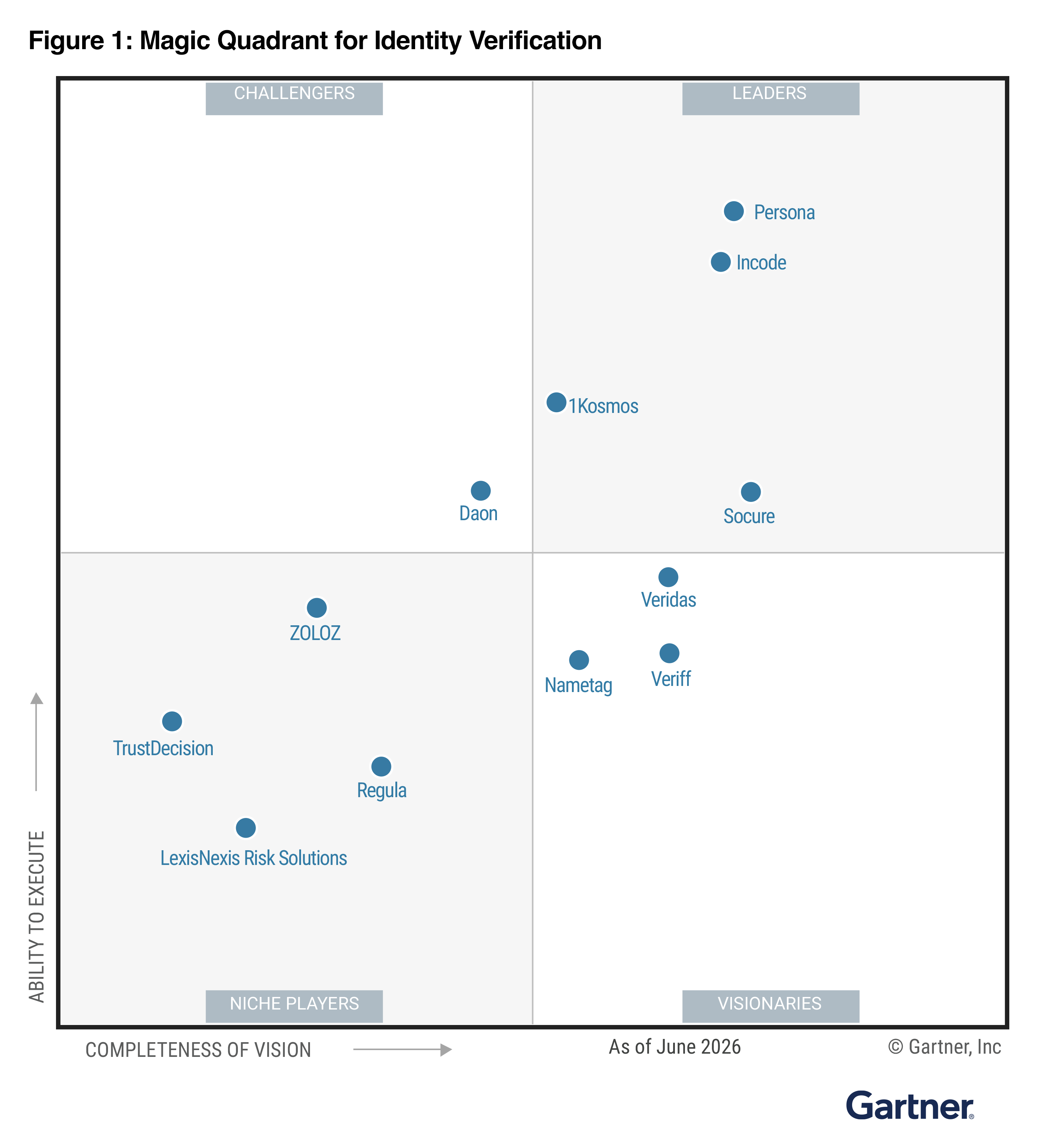
Incode’s verification solution offers a streamlined approach to KYC compliance. Our advanced technology simplifies the collection, verification, and management of KYC documents, ensuring that your business meets all regulatory requirements efficiently. By leveraging our solution, you can enhance your compliance processes, reduce operational costs, and protect against potential risks.
Stay ahead in regulatory compliance with Incode’s advanced verification solutions. Contact us today to learn how we can help you streamline your KYC processes and safeguard your business.