



La Plataforma IDV es importante. El equipo detrás de esto importa igual
Si su agencia está implementando un solución de verificación de identidad (IDV), ya sea para acceso a beneficios, credenciales o servicios digitales orientados al público, este escenario puede resultarle familiar: asiste a una demostración del proveedor que es nítida y la plataforma gana en performance biométrico, arquitectura de seguridad y precio. Entonces, usted adjudica el contrato.
Pero a tres meses de ejecución, el equipo de la plataforma no ha leído su Plan de Vigilancia de Aseguramiento de Calidad (QASP), no puede traducir los números de artículo de línea del contrato (CLINS), y pide al Representante del Oficial Contratante (COR) por una prórroga de un entregable que se prometió el mes pasado.
En compras SaaS gubernamentales, especialmente cuando se compra a través de un revendedor o contratista principal, el personal clave nombrado en el contrato suele ser externo al proveedor de SaaS. Como resultado, pueden carecer de las relaciones internas, el conocimiento del proceso y la influencia organizacional necesarios para escalar los problemas o abogar de manera efectiva por su programa cuando más importa. Para cuando se da cuenta, la adopción se ha estancado, los hitos clave se han deslizado y su decisión del año de opción está a solo unos meses de distancia, lo que deja poco tiempo para corregir el curso.
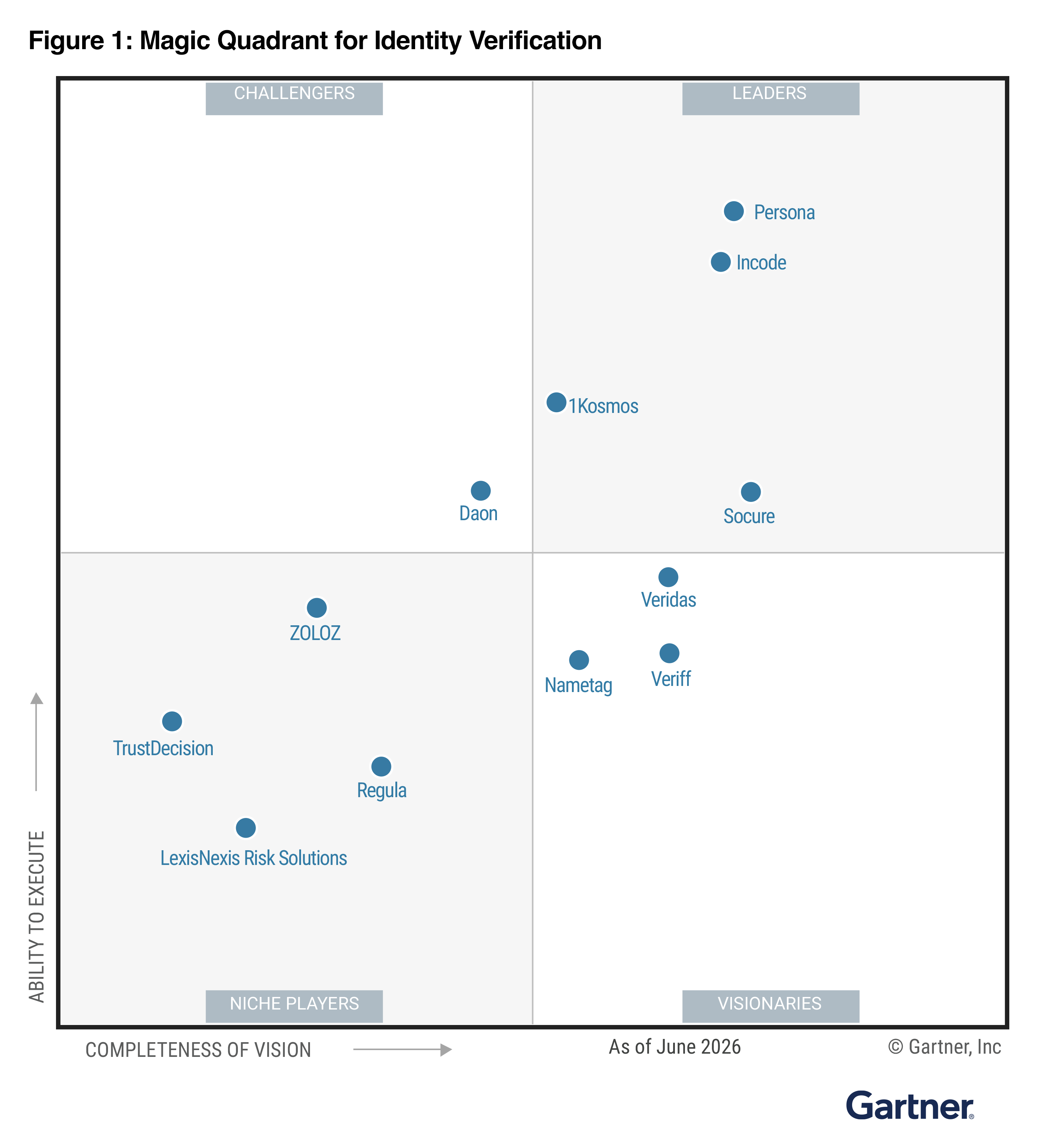
Después de 11 años ejecutando programas federales para el DoD y el HHS, y 18 meses en el lado del proveedor en Incode, he visto este patrón detener repetidamente el impulso justo cuando las agencias se acercan a decisiones críticas del año de opción. Muchas implementaciones de IDV del sector público tienen un rendimiento inferior, no porque la plataforma se queda corta, sino porque la función de éxito del cliente (CS) que la soporta nunca se evaluó junto con ella.
Es por eso que insto a los clientes a puntuar la calidad del equipo de proveedores de IDV de la misma manera que calientan la plataforma.
La diferencia que hace una fuerte CS del sector público
Cinco cosas separan a un equipo de CS que puede ayudar a una agencia a adquirir u operar una solución IDV de una que lo traspasar a la primera o de vuelta a la ingeniería.
1. Leen tu contrato
A sector público CS el plomo debe ser capaz de caminar a través de su CLINs, tabla de entregables y QASP sin traducción del director clave del programa de personal. Deben saber qué criterios de aceptación desencadenan el pago y qué cambios de alcance requieren una modificación.
Un equipo de CS que no pueda poseer esos artefactos directamente enrutará todas las preguntas a través de sus equipos internos de adquisiciones, legales o finanzas. Cada ciclo le cuesta semanas. Cada retraso le indica que el proveedor no tiene personal de CS para operar de manera efectiva dentro de un entorno del sector público.
2. El ejecutivo de cuentas se queda en la habitación
El ejecutivo de cuentas (AE) y el gerente de éxito del cliente (CSM) debe funcionar como una unidad, no como un equipo de relevos. Si tu ejecutivo de cuenta desaparece al día siguiente del premio, has perdido la mitad de tu memoria institucional por parte del proveedor.
Una señal fuerte es un AE que aún se sienta en sus standdups, se une a sus revisiones de gobierno y conoce el liderazgo de su contrato por su nombre seis meses después.
3. Entienden cómo funciona realmente la gobernanza
Los organismos del sector público operan dentro de marcos estructurados de gobernanza: Juntas de Revisión de Riesgos (RRB), Marcos de Administración de Riesgos (RMF), Planes de Acción e Hitos (POA y MS), controles de cambios, cadencia de reporting ejecutivo y auditable SOPs.
El proveedor adecuado entiende esas estructuras y produce documentación diseñada para trabajar dentro de ellas, ya sea para una revisión rutinaria del programa, un ciclo presupuestario, una auditoría de contratación o una FOIA solicitud. Observe a los proveedores que predeterminen la revisión comercial Trimestral del Negocio (QBR) diapositivas y paneles de estado de la cuenta. Esos artefactos no se sostienen en un entorno del sector público.
4. Tradujeron las necesidades de la agencia en acción del producto
El líder de CS es el canal entre sus usuarios finales y los del proveedor equipos de producto e ingeniería. Su trabajo consiste en convertir las señales de uso de la agencia, los puntos de fricción y las restricciones de políticas en comentarios sobre los productos sobre los que actuará el equipo de IDV, y traducir las decisiones de la hoja de ruta al lenguaje que pueda usar su liderazgo de programa.
5. Ellos abogan por ti
Cuando el equipo de ingeniería de un proveedor se enfrenta a escaladas competitivas, su agencia podría encontrarse compitiendo por prioridad contra un minorista Fortune 100 con ingresos recurrentes anuales comparables (ARR). Sin el defensor adecuado, es posible que su programa no gane ese lanzamiento de moneda.
El éxito sólido del cliente cambia esa ecuación. Lo que realmente está comprando es acceso a recursos de ingeniería, visibilidad de las prioridades de la hoja de ruta y defensores internos que entienden su programa y pueden promoverlo cuando surgen prioridades competitivas. Sin esa persona de tu esquina, tu programa se convierte en el que la ingeniería de boletos recoge en un viernes lento.
Cinco preguntas para su RFP y los procesos de selección de fuentes
Éstos pertenecen a su cuadro de mando de evaluación, ponderados junto con los criterios de la plataforma. Asegúrese de que puede responder a estas preguntas antes del premio:
- ¿El ejecutivo de cuentas que dirigió esta venta es un empleado directo del proveedor IDV, y cómo se mantendrán comprometidos con nuestro programa a través de los meses tres, seis y 12?
- ¿El personal clave que se nombra en el contrato es empleado directamente por el proveedor de IDV, o se sienta con un revendedor o principal?
- ¿Quién en el proveedor de IDV posee CS en esta cuenta, y cuál es su experiencia en el sector público?
- ¿Cómo traduce el equipo de CS los comentarios y los puntos de fricción de nuestro programa en acción del producto?
- ¿Cómo se asegura de que nuestro programa no sea despriorizado frente a cuentas comerciales más grandes? ¿Puede señalar una instancia específica en la que su equipo de CS abogó por una agencia en esa situación?
Un equipo creado para abogar por usted
La plataforma es lo que compras. Pero el equipo ejecuta su programa durante la vigencia del contrato y, en última instancia, el equipo decide si su programa cumple.
Antes de firmar, preguntar quién va a dirigir la obra, lo que han hecho en el sector público y si lucharán por su programa cuando un cliente más grande quiera la misma capacidad de ingeniería. Esas respuestas te dicen más que la demo.
Esa premisa es cómo construimos el Sector Público Función de Éxito del Cliente en Incode. El ejecutivo de cuenta se queda en la habitación. Nuestros CSM conocen su contrato antes de recibir una llamada de estado. El equipo le da voz a tu programa dentro del proveedor cuando no estás en la sala. Ese es el trabajo, y nos lo tomamos muy en serio.
¿Listo para hacernos las cinco preguntas? Solicitar una demostración hoy.